

PTSD Therapy for First Responders in Ontario
This work focuses on helping first responders make sense of traumatic experiences that have accumulated over time , often without space to process them in the moment.
Therapy is structured and trauma-focused, with careful attention to safety, pacing, and the realities of operational work.
The goal is not to relive trauma unnecessarily, but to reduce the ways it continues to show up in your body, thoughts, and daily life.
When the Job Changes You
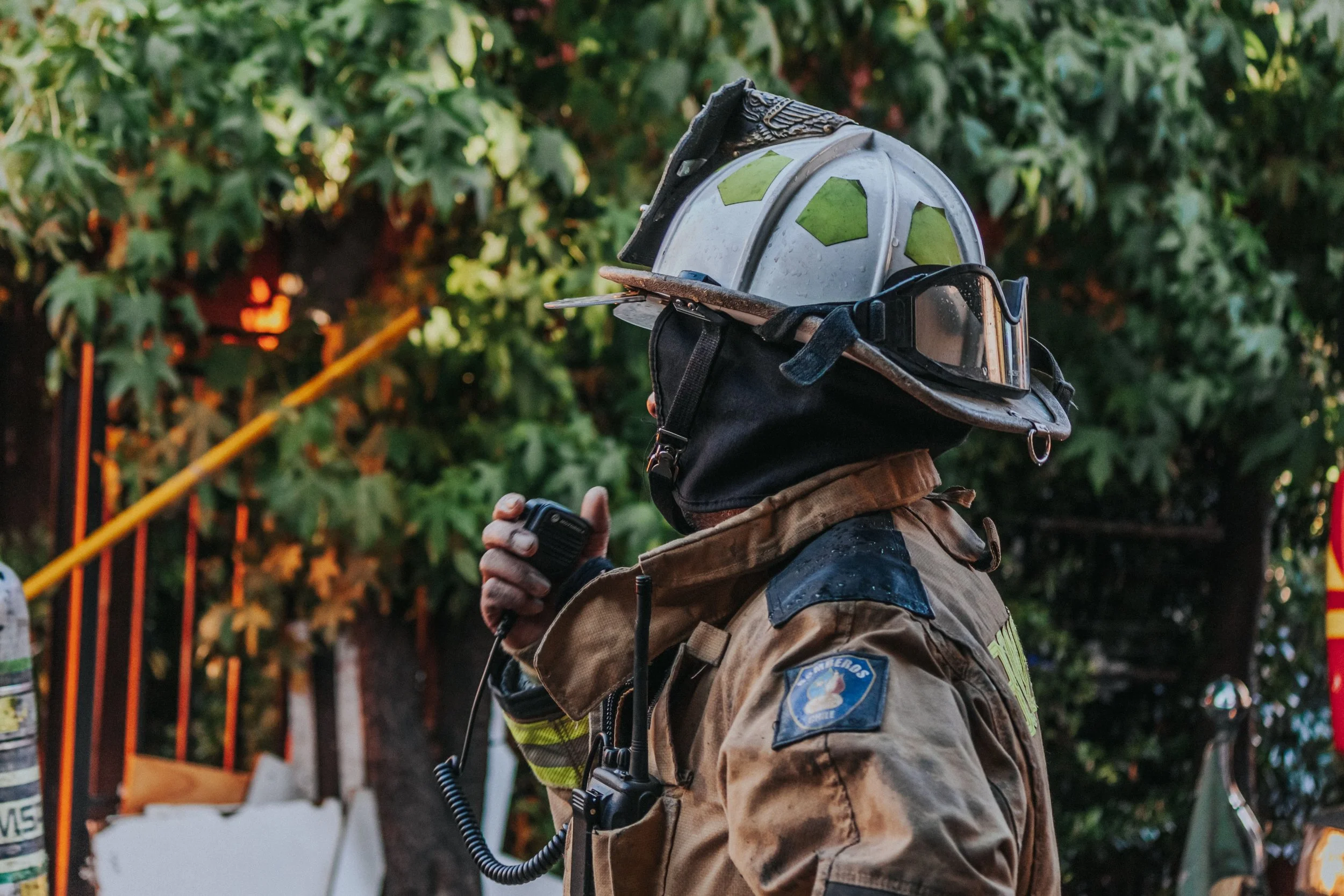
As a first responder, you have likely been exposed to experiences that most people will never encounter. Critical incidents, serious injuries, sudden deaths, violence, unpredictable situations, and responsibility for other people's safety become part of the job. You learn to make decisions quickly, manage intense emotions, and keep functioning even when situations are overwhelming.
Those skills serve you well at work.
Sometimes, however, the very strategies that help you perform your job begin to follow you home.
You may find yourself constantly scanning for danger, struggling to switch off after a shift, avoiding certain conversations, becoming emotionally numb, or feeling more irritable than you used to. Sleep becomes lighter. You replay calls in your mind. Small frustrations feel bigger than they should. Relationships take more effort because you feel disconnected, even from the people you care about most.
Many first responders tell themselves they should be able to handle it. After all, this is the job they signed up for.
But trauma does not develop because someone is weak. It develops because your nervous system adapted to repeated experiences that required you to stay alert, act quickly, and survive.
Those adaptations made sense.
The question is whether they are still serving you today.
Trauma Does Not Always Come From One Call
When people think about PTSD, they often imagine a single catastrophic event.
For many first responders, that is not how trauma develops.
It can certainly begin after one particularly horrific call, but more often it builds gradually through years of repeated exposure. Every difficult call, fatality, assault, resuscitation, child death, serious collision, suicide, or critical incident may leave a small imprint. Individually, you keep moving. Over time, those experiences can accumulate in ways that become difficult to ignore.
Sometimes the injuries are not only psychological.
They can also be moral.
You may carry memories of situations where there was no good outcome, where resources were limited, where you could not save someone despite doing everything possible, or where the system prevented you from providing the care you believed people deserved.
Those experiences can linger long after the shift has ended.
Whether your symptoms developed after one event or many years on the job, they deserve to be understood rather than minimized.
Common Signs That Trauma May Be Affecting You:
PTSD and cumulative trauma do not look the same for everyone. Some people experience intrusive memories, nightmares, or flashbacks. Others notice changes that are easier to dismiss as stress or burnout.
You might notice that you:
Feel constantly on guard, even when you're off duty
Become easily startled or irritated
Have difficulty sleeping or staying asleep
Replay calls repeatedly in your mind
Avoid certain locations, conversations, or reminders
Feel emotionally numb or disconnected
Withdraw from family or friends
Have trouble concentrating
Feel guilty about decisions you made during difficult calls
Question yourself despite years of experience
Use alcohol, work, or constant activity to avoid thinking about what happened
Many of these responses originally helped you cope
Avoidance can temporarily reduce distress. Emotional detachment can help you continue functioning during difficult shifts. Hypervigilance can keep you safe in dangerous environments. The difficulty is that these strategies often continue long after the danger has passed. What once protected you begins limiting your life outside of work.

Why Understanding Your Symptoms Matters
One of the first things we do in therapy is make sense of what your brain and body have been trying to accomplish.
Understanding why your symptoms developed often changes how you relate to them.
Instead of thinking, "Something is wrong with me," many people begin to recognize, "My nervous system learned exactly what it needed to survive."
That shift matters.
When we understand symptoms as survival responses rather than personal failures, it becomes much easier to approach recovery with curiosity instead of self-criticism.
Healing does not begin by forcing yourself to "just get over it."
It begins by understanding why your mind and body continue responding as though the danger is still present.
PTSD Treatment That Is Structured, Evidence Based, and Time Limited
Many first responders tell me they have delayed therapy because they are not interested in talking about their feelings indefinitely.
That is understandable.
The work we do is different from open-ended supportive therapy.
My practice focuses on structured, evidence-based treatments that have been extensively researched for PTSD and trauma. These approaches are collaborative, goal oriented, and designed to help reduce symptoms by addressing the processes that keep trauma going.
Depending on your history, symptoms, and goals, treatment may include:
Cognitive Processing Therapy (CPT)
Prolonged Exposure Therapy (PE)
These treatments are considered among the most effective approaches available for PTSD.
Rather than simply helping you cope with symptoms, they are designed to help reduce them.
Throughout treatment, we work together to understand how trauma has affected your thinking, emotions, behaviours, and nervous system, while gradually reducing the avoidance that often keeps PTSD stuck.
For many people, treatment is completed over a defined number of sessions rather than continuing indefinitely.
Mental Health Check-Ins
Sometimes something happens on shift and you need support sooner rather than later. Mental Health Check-Ins are available for first responders who want a space to work through a difficult call, stressful incident, or something that is sticking with them from work.
You do not need to have PTSD or be in crisis to book a check-in. These appointments can offer timely support, help you process what happened, and figure out what you may need next. Book a free consultation to learn more.
Therapy Moves at a Thoughtful Pace
Beginning trauma therapy does not mean being expected to tell your entire story during the first appointment.
We start by understanding what has brought you here, how trauma has affected your life, and whether structured trauma treatment is the right fit.
You will understand why we are doing each part of treatment before we begin it.
You will have opportunities to ask questions.
You will never be expected to move faster than you are prepared to.
Evidence-based does not mean rigid.
It means using treatments supported by strong research while adapting them thoughtfully to your unique experiences and goals.
What Treatment Can Help You Move Forward
Every person's goals are different. For some people, it is sleeping through the night again. For others, it is returning to work with greater confidence. Some want to stop replaying calls. Others want to feel more present with their partner or children instead of remaining emotionally distant.
As symptoms improve, many people notice they:
Spend less energy avoiding reminders
Experience fewer intrusive memories
Sleep more consistently
Feel less emotionally overwhelmed
Become more patient at home
Feel more connected with people they care about
Regain confidence in themselves
Stop feeling as though work follows them everywhere
The events themselves cannot be erased.
Our goal is to reduce the hold those experiences continue to have over your daily life.
Taking the First Step
You have spent a career responding when others needed help.
Seeking support for yourself requires a different kind of courage.
If trauma has begun affecting your sleep, relationships, work, or sense of who you are, you do not have to continue carrying it alone.
Recovery is not about becoming someone different.
It is about helping your mind and body recognize that the danger has passed, understanding why your symptoms developed in the first place, and learning how to move forward without trauma continuing to shape your everyday life.
If you are ready to begin structured, evidence-based PTSD treatment, I invite you to book a free 20-minute consultation. We can discuss what has been happening, answer your questions, and determine whether my approach is the right fit for you.

-
No.
Many people seek therapy because they recognize that something has changed, even if they have never received a formal diagnosis.
Part of the assessment process involves understanding whether your symptoms are consistent with PTSD, cumulative trauma, moral injury, another concern, or a combination of factors.
PTSD symptoms may include intrusive memories, nightmares, avoidance, hypervigilance, feeling constantly on edge, emotional numbness, shame, self-blame, or feeling disconnected from yourself and others.
Not everyone who experiences interpersonal trauma develops PTSD, but many people continue to feel the impact of what happened long after the relationship or traumatic event has ended. Trauma-focused therapy can help you understand these symptoms and begin working toward recovery.
-
Trauma symptoms often persist because the brain continues responding as though the danger is ongoing.
Even if your symptoms have been present for many years, evidence-based treatment can still be effective.
-
Not necessarily.
Treatment is purposeful and guided by the approach we are using. You will understand why certain exercises are recommended and how they contribute to recovery. Therapy is not about recounting every difficult experience without direction or purpose.
-
That is completely understandable.
Many first responders are unsure what to expect from trauma therapy, especially if this is their first experience with counselling.
Feeling uncertain does not mean you are not ready.
Often, the first step is simply having a conversation about what has been happening and learning what treatment would actually involve.
Frequently Asked Questions
To read more about PTSD Therapy, please see our full FAQ page.