
What PTSD Really Is and Isn’t
.
What PTSD Really Is (and Isn’t): Clearing Up Common Misconceptions
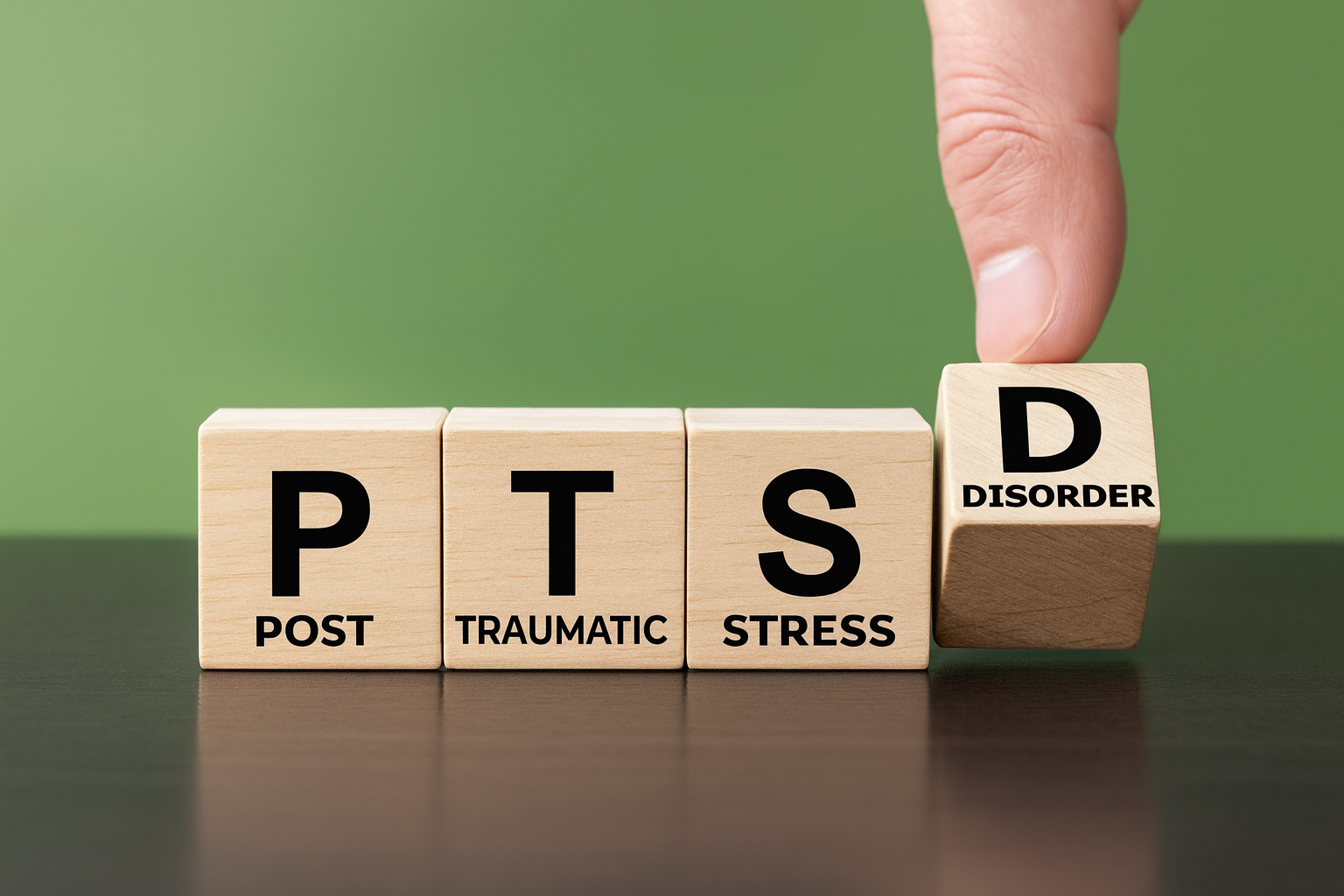
When most people hear the word PTSD, they often picture a veteran returning from combat. While military service members can absolutely experience post-traumatic stress disorder, they are far from the only ones. PTSD is one of the most misunderstood mental health conditions, and unfortunately, these misconceptions keep many people from recognizing what they are going through or reaching out for help.
Common Myths About PTSD
One of the most common myths is that PTSD only affects people who have experienced war. In reality, PTSD can develop after any traumatic experience. This includes car accidents, childhood abuse, medical trauma, natural disasters, sexual assault, or even witnessing something frightening. Trauma doesn’t discriminate, and neither does PTSD.
Another myth is that PTSD always looks dramatic - constant flashbacks, visible panic attacks, or anger outbursts. While those symptoms can occur, many people experience PTSD in quieter but equally painful ways, such as chronic numbness, emotional withdrawal, difficulty sleeping, or a persistent sense of being “on edge.”
There is also a misconception that people with PTSD are somehow “weak” or unable to handle stress. This couldn’t be further from the truth. PTSD is not a sign of weakness - it’s the brain and body’s natural response to an overwhelming event that hasn’t yet been fully processed.
The Truth About PTSD Symptoms
PTSD is essentially your nervous system stuck in survival mode. The brain misfires, keeping the person in a state of alertness as if the trauma is still happening. That’s why seemingly ordinary things - a smell, a sound, a time of year - can trigger powerful reactions.
Symptoms can include:
Nightmares or flashbacks
Avoidance of reminders of the trauma
Emotional numbing or feeling disconnected from others
Hypervigilance, irritability, or difficulty concentrating
These symptoms can show up weeks, months, or even years after the trauma. They can disrupt work, relationships, health, and overall quality of life.
Why Stigma Keeps People Silent
Because of the myths surrounding PTSD, many people don’t recognize that what they are experiencing has a name and can be treated. Others fear being judged or labeled as “broken.” This stigma creates silence, and silence prolongs suffering.
The reality is that PTSD is not rare, and it is not untreatable. Reaching out for help is a step of strength, not weakness.
How Therapy Helps
The good news is that PTSD can be treated effectively. Evidence-based therapies such as Cognitive Processing Therapy (CPT), Prolonged Exposure (PE), and Cognitive-Behavioral Therapy for Depression (CBT-D) are designed specifically to help people process trauma and reduce symptoms. With the right support, people learn that trauma is something they lived through- not something that has to control their present or future.
At ptsd-therapy.ca, I offer a safe, supportive space where healing can begin. Together, we focus on helping you understand your symptoms, process the trauma at your pace, and move forward towards a life with more freedom, connection, and peace.
If you’ve been struggling with trauma symptoms, you don’t have to face them alone. Learn more about our PTSD therapy services in Ontario.
